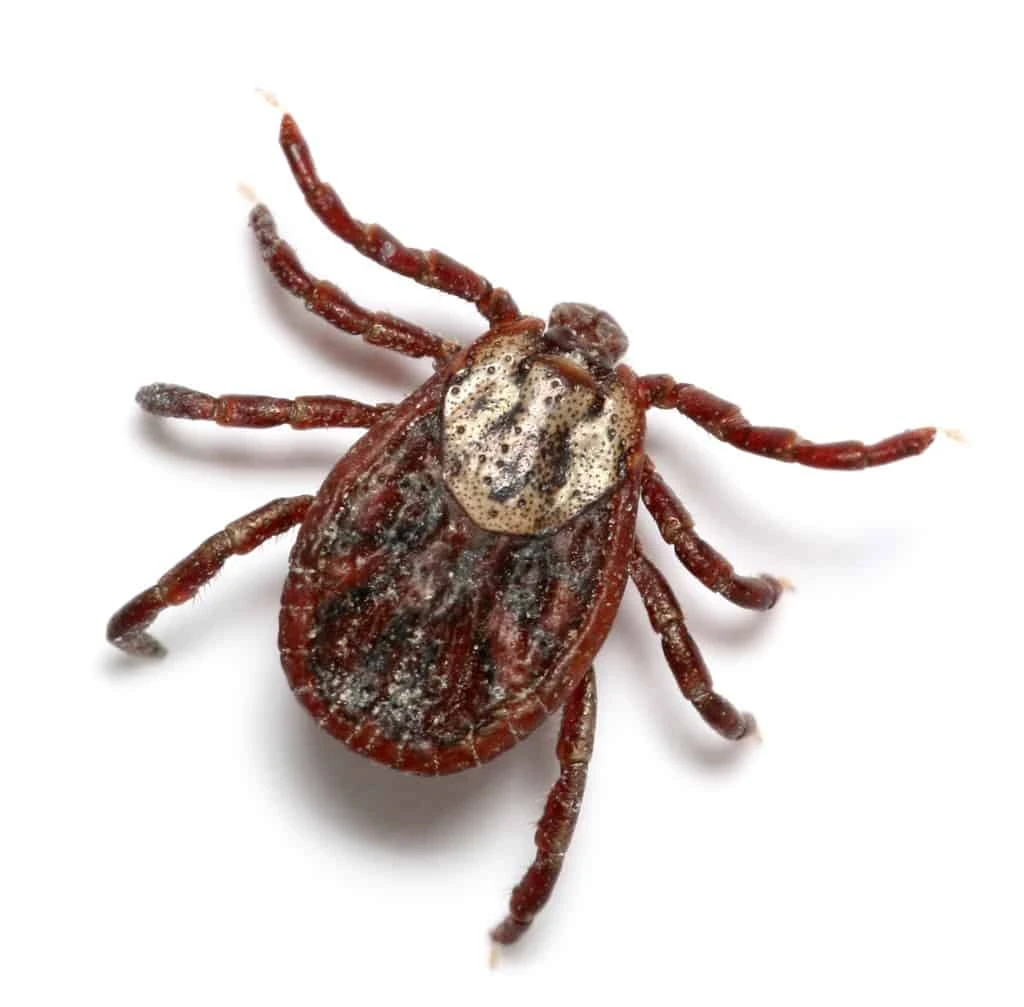
Northeastern University researchers have discovered a chemical that is deadly to the bacterium that causes Lyme disease but harmless to animals. This discovery might allow the disease to be eradicated in the wild, they report.
As reported by the New Scientist, Kim Lewis and her research team at Northeastern University have found that a compound called hygromycin A is completely harmless to animals and has little effect on most bacteria, but is extremely deadly to spirochaete bacteria such as B. burgdorferi - the bacteria that causes Lyme Disease.
Spirochaete bacteria have a corkscrew shape that enables them to burrow into tissues. They also cause diseases such as syphilis, Lewis tol the New Scientist. “They are pretty nasty pathogens.”
In animal tests, the team didn’t observe any harmful effects of hygromycin no matter how high the dose. “It is unusually safe,” says Lewis.
A company called FlightPath is now filing in the US for the initial go-ahead required before the chemical can be tested in people.
Source: The New Scientist
Latest from Pest Control Technology
- Donny Oswalt Shares What Makes Termites a 'Tricky' Pest
- Study Finds Fecal Tests Can Reveal Active Termite Infestations
- Peachtree Pest Control Partners with Local Nonprofits to Fight Food Insecurity
- Allergy Technologies, PHA Expand ATAHC Complete Program to Protect 8,500 Homes
- Housecall Pro Hosts '25 Winter Summit Featuring Mike Rowe
- Advanced Education
- Spotted Lanternflies, BMSBs Most Problematic Invasive Pests, Poll Finds
- Ecolab Acquires Guardian Pest Solutions


