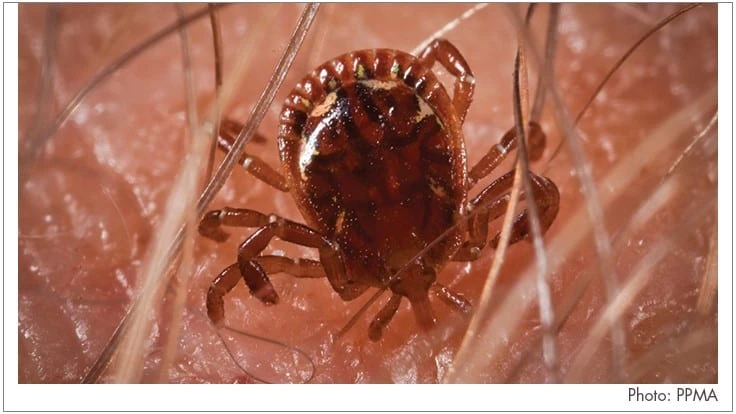
Lyme disease, which is carried by ticks, can lead to numerous debilitating health conditions and even death. In the latest research from the Lerner Center for Public Health Promotion at Syracuse University, Lerner Graduate Fellow Mary Helander describes the geographic distribution of Lyme disease in the U.S. and summarizes prevention strategies. Here are the key takeaways from the study:
• Over 30,000 Lyme disease cases are reported in the U.S. each year.
• Lyme disease incidence is highest in the Northeast and upper Midwest.
• While the 10-year trend for the national incidence rate overall is relatively flat, rates in 75 counties have been trending downward (primarily in Wisconsin), while rates in 285 counties (primarily in the Northeast) have continued to trend upward (chart below).
• Clear, concise, consistent and ongoing public health messaging, in addition to accurate county and state-level reporting and surveillance, are key to combatting Lyme disease.

Latest from Pest Control Technology
- Donny Oswalt Shares What Makes Termites a 'Tricky' Pest
- Study Finds Fecal Tests Can Reveal Active Termite Infestations
- Peachtree Pest Control Partners with Local Nonprofits to Fight Food Insecurity
- Allergy Technologies, PHA Expand ATAHC Complete Program to Protect 8,500 Homes
- Housecall Pro Hosts '25 Winter Summit Featuring Mike Rowe
- Advanced Education
- Spotted Lanternflies, BMSBs Most Problematic Invasive Pests, Poll Finds
- Ecolab Acquires Guardian Pest Solutions


